

By:
Today, personal branding is an essential part of building anyone’s career path, helping them gain visibility, network and access new opportunities, adding value and keeping them competitive among the many rivals competing for jobs and other business opportunities.
The main problem is that many people do not actually know how to start building a personal brand. That is why we explain below what personal branding is and how to build it.
What is personal branding?
Personal branding, or building a personal brand, is the process of developing an individual’s image, incorporating the personality traits, skills, experience and behaviour that define their unique identity.
It is the intersection of how individuals see themselves and how others see them. The main goal is to minimise the difference between these images, which is a sign of good personal branding: making who we are visible to the outside world too.
What are the main benefits of personal branding?
Personal branding is crucial today, offering numerous benefits both to people starting their careers and to more experienced individuals with several years of work experience who want new challenges and opportunities, including:
1. More career and business opportunities
Good personal branding can attract attention, helping potential employers or business partners find you and invite you to work with them, both through new career opportunities and business partnerships.
2. A competitive advantage
Potential employers and companies usually choose between several candidates and service providers, so personal branding is an excellent solution that gives you a competitive advantage and distinguishes you from your “rivals”, making them more likely to choose you.
3. Greater credibility and trust
Personal branding can help build stronger trust and increase your credibility, as well as that of the company you work for, which is very important to potential employers and clients.
4. Professional growth and easier networking
Personal branding is the key to becoming an expert in your industry more easily and gaining visibility, which can bring numerous new opportunities such as easier networking, speaking at conferences and attending other business events.
How do you build a personal brand?
1. Define your main goal
It is important to start at the beginning: what is the main goal you want to achieve by building your personal brand? Are you looking for a new career opportunity, seeking to establish yourself as an expert in your industry, hoping to secure new business partnerships, or looking for a new audience for your own product or service? Your goal will guide and direct all your subsequent personal branding activities.
2. Identify your talents and strengths
Think about your strongest knowledge, experience, passions and interests, and identify the personal values you believe in. Which of these are the key ones that will help you achieve your desired goal and are worth highlighting and communicating externally?
3. Define your target audience
Based on your chosen goal, determine who your target audience is. Are they colleagues, potential employers, industry experts or potential clients? The more precisely you define your target audience, the more effective you will be at building your personal brand.
4. Research the industry and connect with experts
Whatever goal you have chosen, research one or more industries. If your goal is to become an expert in your field, seek insights into how your chosen industry operates and the latest trends. The more information and knowledge you have, the easier it will be to incorporate it into your personal branding.
It is also important to ask yourself who the current experts in your field are, who would be worth connecting with and could also help you access new business opportunities.
5. Identify your key channels
Ask yourself where your target audience is and which channels and activities will best enable you to reach them in line with your chosen goal.
Digital channels include social media (LinkedIn, Facebook, Instagram, TikTok and others), a website, blog, podcast, newsletter and more. But we must not forget “offline” channels either: which events and conferences does your target audience attend, and which societies and associations do they belong to?
It is important to be present on relevant online channels and in person at appropriate events where you can communicate your personal brand most effectively.
6. Share your stories
Now that you know who you are, what your strengths are, whom you want to reach and where, and what your main goal is, start sharing your stories and communicating your personal brand externally. Start by developing a strong brand statement consisting of one or two sentences that introduce you (who you are and what you do), which you can incorporate appropriately into your channels. Continue with regular activity on your chosen channels, where you can also experiment with different types of posts.
When building a personal brand, it is important to be consistent, authentic, proactive and adaptable, and above all to live it every day and believe in it.
How does personal branding help build your career?
In today’s highly competitive labour market, personal branding is a key element that gives you an advantage when applying for jobs and attending job interviews, and offers opportunities for advancement.
- Standing out from the crowd: Amid a flood of CVs, how you present yourself will be crucial to getting the recruiter to put you in the pile of people they want to invite for an interview. You will also be able to make a stronger impression at a job interview if you know your strengths and can present yourself well.
- Building credibility and trust: A recruiter will believe and trust you more if other sources and channels also support this.
- Gaining recommendations: Through networking and personal branding, you can more easily gain recommendations from people you work with or collaborate with, helping you secure a new career or business opportunity.
- Building a professional network: Personal branding makes it easier to connect with experts in companies and potential employers, through whom you may easily gain a work opportunity or be recognised as an expert.
- Employment and business opportunities: Personal branding makes it easier to access career opportunities such as employment or project-based collaboration.
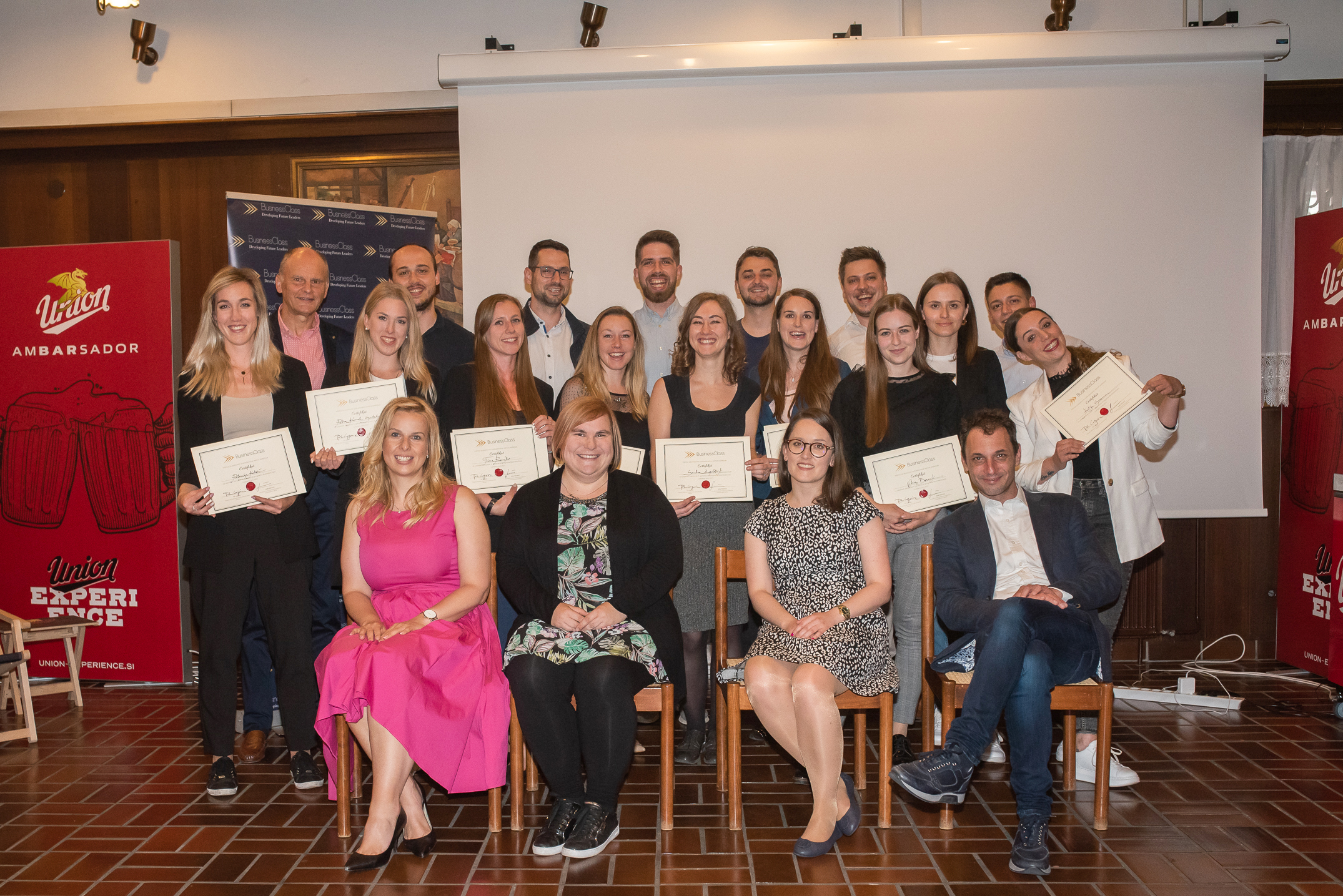
Another excellent approach to personal branding is the BusinessClass programme, which is aimed at young people at the start of their careers or with up to 5 years of work experience. It helps you secure your (first) permanent job more easily, while also offering excellent opportunities to network and connect with the many experts who lead the educational part of the programme.
We can conclude that personal branding is a marathon: it is not something you build in a few days or weeks, but a continuous process that never ends. You will need to invest effort, time and energy, which will certainly pay off in the long run. I can say with confidence that most people who have built a good personal brand would have had completely different career paths without it, and would not have enjoyed the same number of opportunities.