

Expertise, results and dedication are the foundations of a successful career. Yet they are often not enough. Progression is also shaped by the relationships we build, the people we learn from and the environments where we are recognised as someone who can take on greater responsibility.
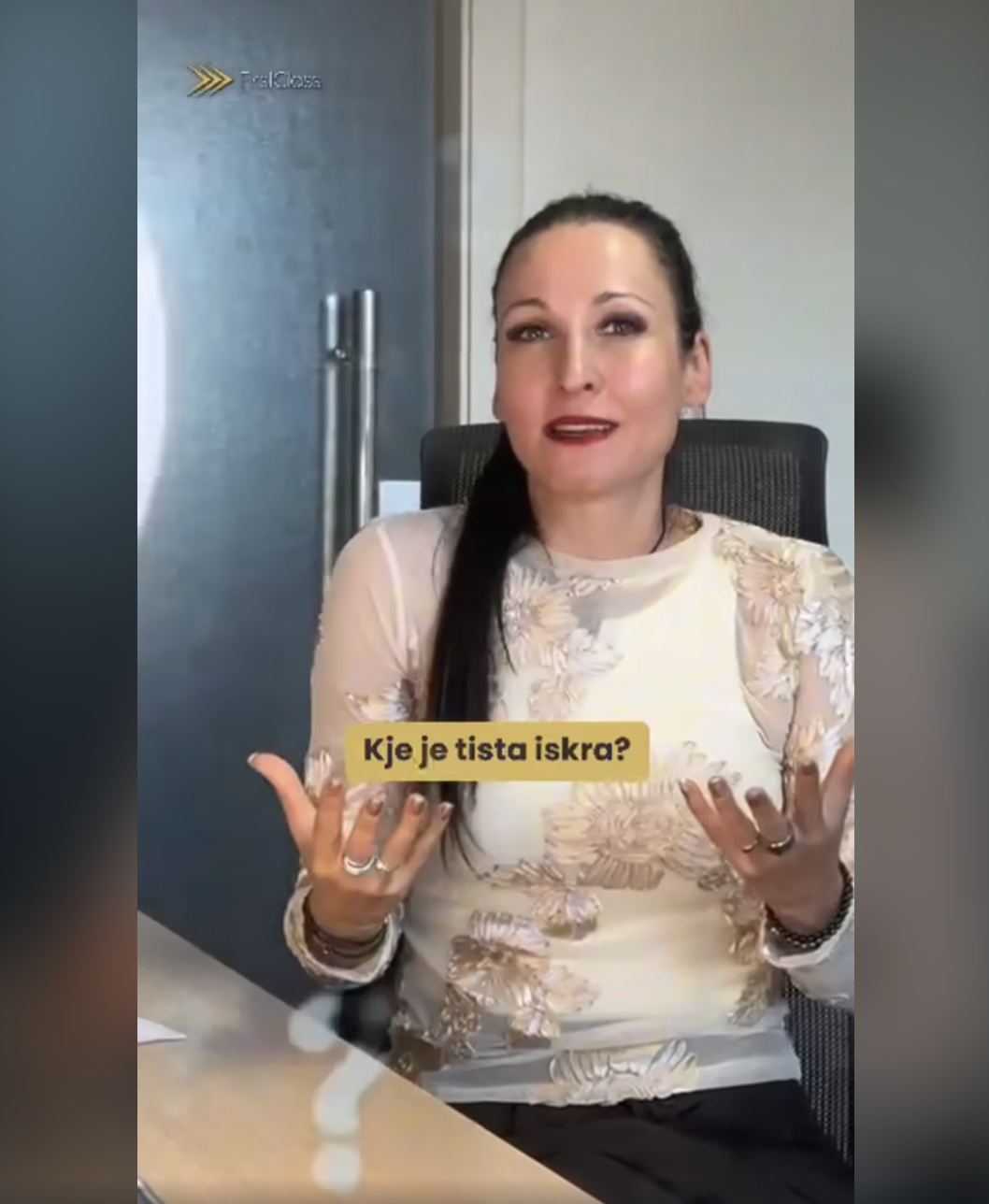
We spoke about why networking is more than exchanging business cards and how mentoring can accelerate the development of future leaders with Til Lajovic, a partner at FirstClass Group and former director of Združenje YES.
Why is networking important for career growth?
We often understand networking too narrowly – as attending events, meeting as many people as possible or collecting contacts. But genuine networking means building long-term relationships based on trust, reciprocity and a real interest in others.
Career opportunities do not always come in the form of an advertised vacancy. They often emerge through conversations, recommendations and connections between people who know your work and what you can do. If you excel professionally but are almost invisible beyond your immediate environment, the range of opportunities that can reach you is significantly smaller.
Are good results not enough?
Good results are essential, but they are not always enough for you to be recognised as a candidate for the next step. When choosing leaders, organisations assess not only expertise but also the ability to collaborate, influence, connect people and understand the wider business environment.
A leader does not work in isolation. They need to work with different stakeholders, build trust and gain support for their ideas. Networking is therefore not separate from leadership. It is one of its key competencies.
What did leading Združenje YES teach you about networking?
While leading Združenje YES, I was able to observe first-hand the importance of an environment where ambitious, enterprising and development-minded individuals meet.
The greatest value of such associations lies not in individual events but in the relationships that develop over time. People exchange experiences, introduce different perspectives and collaborate on projects that might otherwise never have happened.
It is important, however, not to enter these environments asking only what we can gain. A much better starting point is: what can I contribute, whom can I help and with whom can I create something useful?
What is the difference between genuine and calculating networking?
Intentions are usually apparent quite quickly. If someone only gets in touch when they need something, it is difficult to build genuine trust.
Genuine networking takes a long-term view. It means following other people's work, sharing useful information, connecting people when we recognise a common interest and helping even when there is no immediate benefit to us.
It is not how many people you know that matters. More important is how many people know who you are, what you can do and whether they can rely on you.
What role does a mentor play in career development?
A good mentor can help you identify your blind spots sooner, avoid certain mistakes and understand situations for which you do not yet have enough experience.
A mentor should not tell you which decision to make. Their role is to ask the right questions, share relevant experience and help you think more broadly. The greatest value of mentoring often lies not in a specific piece of advice but in a different perspective on a problem.
This is especially important for future leaders. As you progress, decisions become more complex and feedback less frequent. A mentor can provide a safe space to explore your thinking, doubts and options.
How should an ambitious individual find a mentor?
The best mentoring relationships often develop gradually. Rather than asking the general question ‘Would you be my mentor?’, it is better to start with a specific conversation.
Approach someone whose experience is relevant to the challenge you face. Ask a thoughtful question, show that you have prepared and, after the conversation, explain how you have used their advice. If trust and mutual interest develop, the relationship can grow into regular mentoring over time.
It is also important to understand that one mentor cannot cover every area. It makes sense to build a wider development circle: someone who knows your profession well, someone with leadership experience and someone who can offer a perspective from another industry or environment.
What would you advise someone who wants to become a leader or progress more quickly?
First, be good at what you do. A network cannot replace results and competencies in the long term. But it can help those results get noticed and placed in a wider context.
Then consciously step outside your usual circle. Join professional and business associations, take an active role in projects, share your knowledge and build relationships with people from other functions, industries and generations.
Finally, do not wait until you feel completely ready. Growth often begins precisely in situations where we do not yet have all the answers, but have enough curiosity and courage to learn from others.